Blog

The power of seaweed

UK coastal communities have a long tradition of wild harvesting of seaweed for food. But its potential reaches far further than this.

The World Wildlife Fund supports a project of regenerative ocean farming. Regenerative ocean farming is a climate-friendly model where seaweeds and shellfish grow in a way that doesn’t require fresh water, feed, or fertilizer.

This ocean farming involves the growing and harvesting of kelp, which requires none of the chemical inputs of farming on land. Seaweed farming has been done off the coast of the UK for hundreds of years. In Wales, it is made into laverbread and in Scotland, it is made into dulse.

But farming of kelp has way more potential than this. For example, it has been proved that if cattle are fed feed made from kelp, it reduces significantly their production of methane.

Instead of stripping habitats of nutrients and biodiversity, seaweed farms have the power to sequester carbon on land and sea and produce livestock feed and fertiliser that can enrich the soil. Seaweed farms also create water conditions that allow marine ecosystems to thrive.

WWF is working with ocean farms to explore the exciting role that seaweed can play in helping us to tackle the crises in climate and nature. To find out more about this project, click here.

There is a short YouTube video showing a regenerative ocean farm in action which you can watch if you click here.

With thanks to Martin Benning

Drowning the Highbridge water meadows

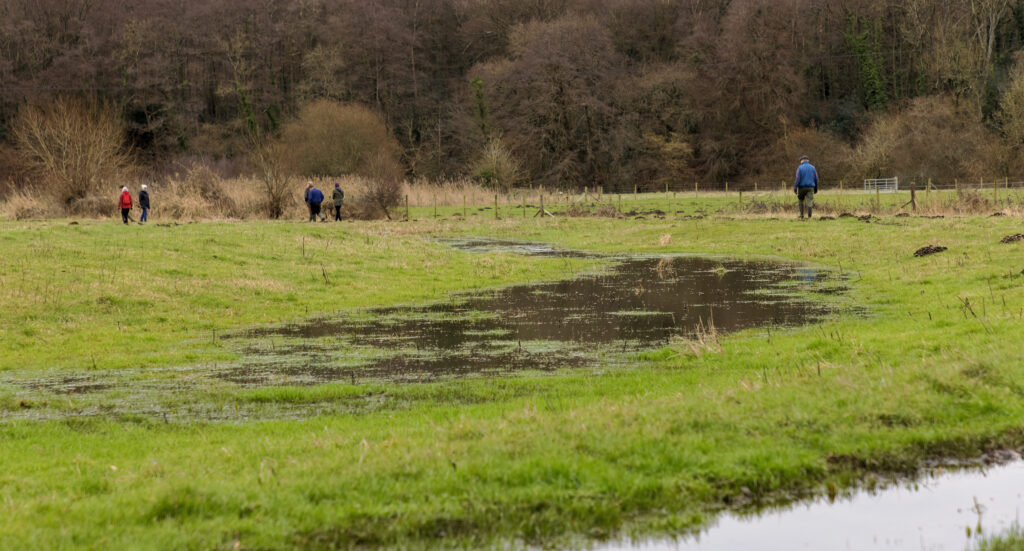
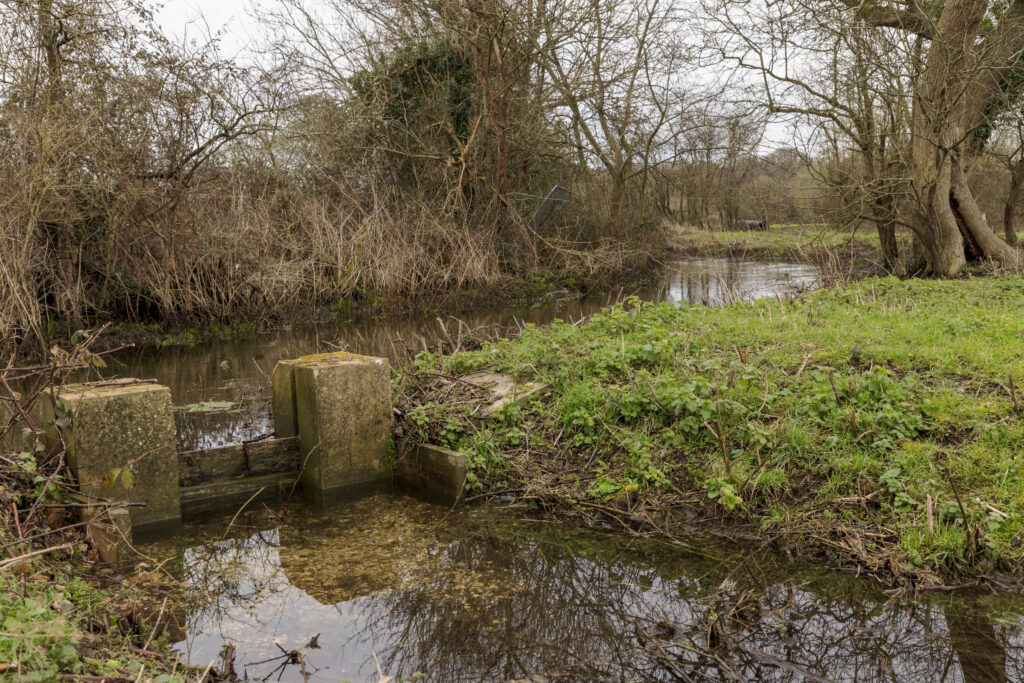
We were delighted to be invited by Highbridge Conservation Group to see them removing the boards to divert water onto the meadows. This is another step in the restoration of this scientifically-important water meadow.

Water meadows are areas of land that used to be flooded deliberately, under carefully controlled conditions, the timing being at the discretion of the farmer or landowner. They have been described as “one of the greatest achievements of English agriculture” so it’s wonderful to see Highbridge Conservation Group helping to preserve the land for future generations.

Historic England explains that water meadows had three main purposes: to force early growth of grass in the Spring, to improve the quality of the grass sward and to increase the summer hay crop. Controlled flooding, known as “drowning”, moves water across the surface of the meadow.

As well as being important for wildlife and the historic environment, water meadows provide even wider environmental benefits. They can contain flood water, trap silt and help to reduce the nutrient load in water that is returned to rivers.

Find out more about Highbridge Community Group in this post. Steve Grundy from HCF photographed the work on the water meadows:

Getting to know our neighbours: Highbridge Conservation Group

The fields that we use for Highbridge Community Farm are next to some historic water meadows and a Site of Special Scientific Interest, also owned by our landlord, Mr Henry Russell. Lyndsey runs Highbridge Conservation Group. Here, she explains how it came about and how you can find out more.

By Lyndsey Rowe

I run Highbridge Conservation Group. I ran the Legacy Festival at the farm from 2016 to 2021. (Sorry for all the noise and disruption but we raised 40 thousand pounds to support people with brain cancer!) Henry was so kind and helpful and over that time and I saw how much he does for so many people as well as running the farm.

Late in 2021, we were chatting and he told me about the meadows and the SSSI and that he didn’t have the time to maintain it as he would like and that other similar sites have groups of volunteers to help. He had been so kind helping me raise funds for my late son’s charity that I thought I would do something to help and say thank you and Highbridge Conservation Group was started in January 2022.

We started by clearing the banks of the stream to provide better habitat for the endangered Southern Damsel Fly, the reason that the meadows are designated as a Site of Special Scientific Interest (SSSI), and began work on the 17th century water meadows clearing channels and flooding them to provide early grass for the cattle and a better habitat for wetland birds. You may have also seen us conducting surveys of the flora and fauna, working in the woodland and in January 2023 we planted a British native hedgerow of one thousand trees across the river.

We have some great plans for the future including a visitor centre, facilities for local school groups, bird watching and day workshops. I hope you can join us.

Find more about Highbridge Conservation Group on their Facebook page or contact them at HighbridgeConservationGroup@btinternet.com.

Uses of rosehips

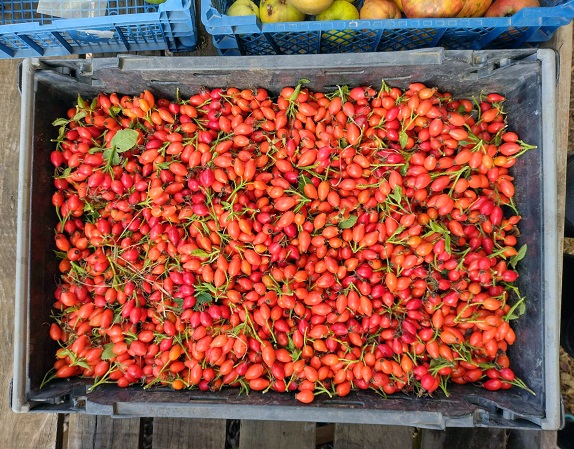
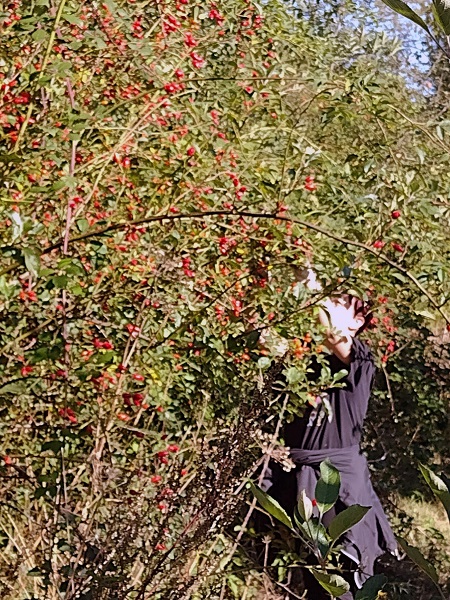
Photo: Highbridge Community Farm

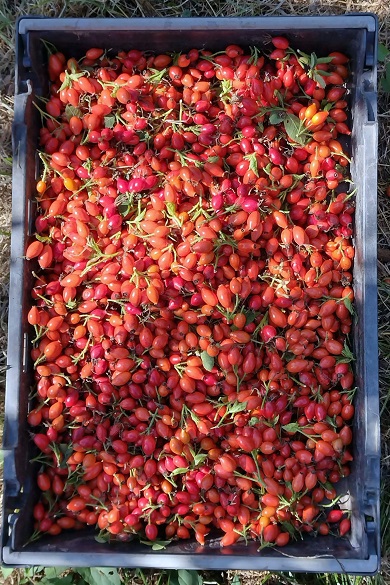
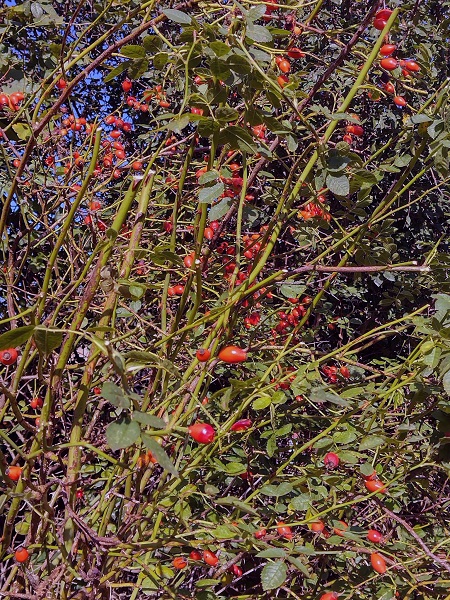
Today at the farm Robbie lead the Fruit Team to harvest a big tray of rosehips-with more to come-. They were harvested from our foraging hedges around the Pond Orchard.

Robbie has lectured us on all the fantastic properties and things you can do with rosehips, and forwarded us a few recipes that we have linked here. In her own words “Rosehips are bursting with vitamin C, vitamin A & E. Superb antioxidant… Uses ..rosehip syrup, rose hip tea, rose hip jelly (great with cold meats) as well as rosehip oil. Rosehip oil is excellent for helping to heal all skin conditions, also reduces & improves scar tissue, stretch marks & wrinkles ! Recipes to follow… Happy Foraging folks !”

At 20p a punnet, why not try one and spend an afternoon preparing your own skin cream, or some special jelly? If you need further tips on how to do any of the following recipes, you can ask Robbie Beer, fruit tree team, often at the farm and especially a wednesday and a saturday morning.

Rosehip Syrup: https://www.rivercottage.net/recipes/rosehip-syrup

Wild Rosehip tea: https://www.earthfoodandfire.com/wild-rose-hip-tea

Rosehip Jelly: https://www.simplyrecipes.com/recipes/rose_hip_jelly/

Rosehip skin oil: https://simplybeyondherbs.com/how-to-make-rosehip-oil-to-heal-your-skin/

HCF soil carbon

This article was written by Andrew Ross.

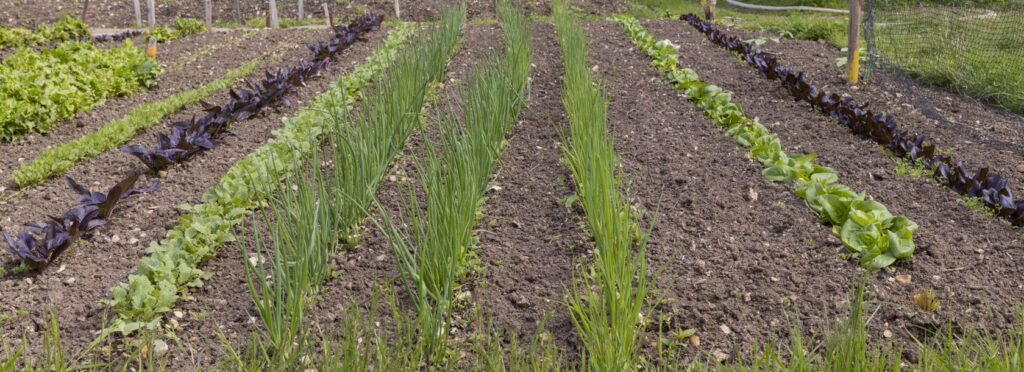
Recently we had two Highbridge Community Farm soil samples analysed by the Soil Association. The samples came from plots 3&4 which have been practicing minimum dig and planting winter cover crops for two years now, so the soil here should be among the best on the farm.

What was in the samples?

The samples showed that soil organic matter was 11.2% on plot 3 and 12.6% on plot 4.

Soil organic matter is a complex mixture of all organic material found in the soil including living components (plant roots and microorganisms) and dead components (leaf litter and humic substances). It increases the soil water-holding capacity and provides a slow release source of energy for microorganisms which increases the cycling of nutrients within the soil.

These samples suggested that the total organic carbon stock in tonnes of carbon per hectare of land to a depth of 30 cm would be in the range of 199-212 tonnes for this part of the farm.

More Soil organic matter means better growing conditions

The implication of this analysis is that our soil organic matter has risen from around 4% when we took on the land in 2010 to 12% in 2021.

This organic matter acts like a sponge and the top 30 cm of our soil now holds around 90 litres of water per square metre when it is at field capacity (full of water- but not waterlogged) instead of about 45 litres if there was no organic matter present. There are also many more nutrients available for our crops to grow well.  

Photo credit: Steve Grundy

Plus, OUR plants REMOVEd carbon dioxide from the atmosphere

As well as improving our soil considerably we have effectively removed carbon dioxide from the atmosphere as the plants photosynthesised and made the atmospheric carbon dioxide into plant biomass which was then recycled and added to the soil as compost (along with manure). This is known as soil carbon sequestration.

beware of short cuts

Recently I attended an online Soil Association Symposium where I learned that companies are concerned about their contributions of carbon dioxide to the atmosphere because this is promoting global warming.

In their desire to appear “green” or environmentally-friendly, some companies are offsetting their CO2 (carbon dioxide) production by paying others to plant trees, restore wetland peat bogs (which are great for sequestering carbon) and even paying farmers to sequester carbon in their fields. One figure quoted was a payment to a farmer of £23 a ton for each ton of carbon sequestered.

The danger of this system of carbon offsetting is that it can become like the selling of Indulgences by the Roman Catholic church during the Middle Ages which allowed sinners to go on sinning. We don’t want to see companies paying money for carbon sequestration but being allowed to go on polluting the environment with chemicals or even carbon dioxide. Nor do we want to see woodland owners taking the money to plant trees or farmers taking the money to sequester soil, only for them to plough up the land again in 10 years time! 

We live in a complicated world.

Scouts visits to HCF

HCF is pleased to say that few days ago we were visited by a couple of local scouts groups. Education activities are a core purpose of the farm and we were delighted in receiving and spending an afternoon with these young children introducing them to a range of farm based activities.

To accomplish this we raised a call for volunteers, who then gathered on Saturday to brainstorm four activities, each one of a duration of about 15/20’. We decided upon making the following four:

A seed sowing station where they could investigate what a big seed looks like, and then pot one themselves by preparing a pot (drainage holes), filling it with soil, sowing a seed and watering it. Accompanied by questions and answers regarding the seeds needs.

A compost activity, where they could add green and brown materials to the compost, plus a bit of manure, and help turn it over. All accompanied with explanations and questions about how it works and a visit to the final result, good black soil. (magic!)

A harvesting activity in the soft fruit cage, where they had a walk around ID and then got a punnet each and could harvest a selection of fruit for themselves

A vegetable hunt, where they were given a map of the farm and they had to find a total of 10 crops, two of them flowers, one herb and seven vegetables from the more usual ones to the more unusual

Last we gathered by the social area and had a round of questions and answers putting in common all that we had done during the afternoon, before breaking ranks and going home. As farm members leading the activity, we found that the duration 15-20 minutes per station worked really well, and that rotating them from one to another helped them stay focused and note get bored. We also found that groups of 6 were very manageable and we were very lucky with a sunny glorious afternoon weather after some very recent thunderstorms.

We also found that a crop treasure hunt was great fun and a much better way to help them zoom in and observe the crops, than pointing them out to them.

We encouraged everyone to bring their own trowel and gloves, and we kept common tools to a bare minimum while disinfecting the handles from one user to another.

The total cost of the activity was under 5GBP for 24 participants, namely some recyclable pots and a bag of seed soil. We also made an activity sheet for the scouts to print and bring for the afternoon, which many of them had.

Any new ideas and feedback for future visits is most welcome! You can also drop your name to volunteer leading any activity station in the future.

Improving the soil with leaf-mould

This article is written by Andrew Ross.

Many people recognise the problems created by leaves at this time of year. Yet they can be of great value if used as leaf-mould for the soil in your garden or allotment. We make great use of them at Highbridge Community Farm. Find out how to make and use this rich ingredient.

Why is leaf-mould useful?

It’s not that leaves have great nutritional value. The tree tends to suck the nutrients out of the leaves before they drop them. Well-rotted leaf-mould greatest benefit is as a soil conditioner, improving the structure of a soil, rather like peat, but without the damaging environmental costs of extracting peat. Leaves tend to have a high Carbon:Nitrogen ratio, averaging around 50:1 and low levels of essential nutrients: Nitrogen 0.66-1.62%, Phosphorus 0.02-0.29%, Potassium 0.09-0.88%. Leaves also contain useful amounts of Calcium and Magnesium.

How do you make leaf-mould?

First brush up your leaves or rake them off a lawn. We actually collect several wheel-barrow loads from our road. Then there are several options for making use of it:

1. Store leaves in bin liners. Moisten the leaves if they are dry and prick holes in the bag. Tie loosely, pile up the bags and leave in a quiet spot for up to two years.

2. Build a chicken wire frame in a hidden corner of the garden about 1m3 and pile up with leaves. Turn the pile occasionally. This is what we do at Highbridge Community Farm.

3. Store in an open topped barrel or compost bin with drainage holes at the bottom for up to 2 years.

4. Put layers of leaves as your brown material in a compost bin and alternate with green material such as grass clippings, weeds or food waste.

5. Cover frost sensitive plants which die back in the autumn to protect the plants from winter rain and frosts. You can make a wire frame around a plant such as a banana after the trunk has been cut off, then pack and insulating layer leaves around the stump and cover the stump with a plastic bag.

Which leaves are best to use?

Leaves that will quickly break down include: ash, beech, birch, cherry, elm, hazel, lime, hornbeam, and willow.

Leaves that slowly break down include: hawthorn, maple, magnolia, oak, sycamore and horse chestnut.

The best leaves to use are oak, beech and hornbeam.

Evergreen leaves should be shredded first as they take a very long time to break down. They include: holly, bay, rhododendron, photinia and skimmia. Conifer needles take a very long time to break down even if moistened and turned every few weeks, so they are best used as a mulch over acid-loving plants such as blueberries and azaleas.

How do you use leaf-mould?

Some plants such as vegetables, annuals and grasses prefer soils dominated by bacteria so it is best to use compost or well-rotted manure as soil conditioners for these groups. The bacteria quickly break down the organic material which generally has a higher level of nutrients and a lower Carbon:Nitrogen ratio.

Leaf mould contains lower nutrient levels plus lots more carbon locked up in complex substances like starch, lignin and cellulose which fungi tend to slowly break down. So, leaf-mould is better used on trees, fruit bushes, shrubs and perennials which prefer soils dominated by fungi. Well rotted leaf-mould should be added to the soil surface of these groups as a mulch in the autumn or spring to help build the soil mycorrhizal fungi. The mycorrhiza will bring more water and nutrients to the plant roots and so help to create stronger, healthier plants.

An alternative use of leaf-mould is to dig it into the soil when it has been partially broken down to raise the humus content of the soil. This is especially useful for heavy clay soils or light sandy soils. As well as improving soil structure by providing more food for soil living organisms it will help the soil to hold more water to enable the plants to tolerate drought better and hold more nutrients bound onto the humus.

Finally, leaf-mould can be mixed with sharp sand, garden compost and soil and used as a potting compost.

Inspired? Let us know if you use Andrew’s advice to improve your soil with this free, natural material.
2020 squashes

This article is from information by Penny Velander, one of the Expert Growers at HCF.

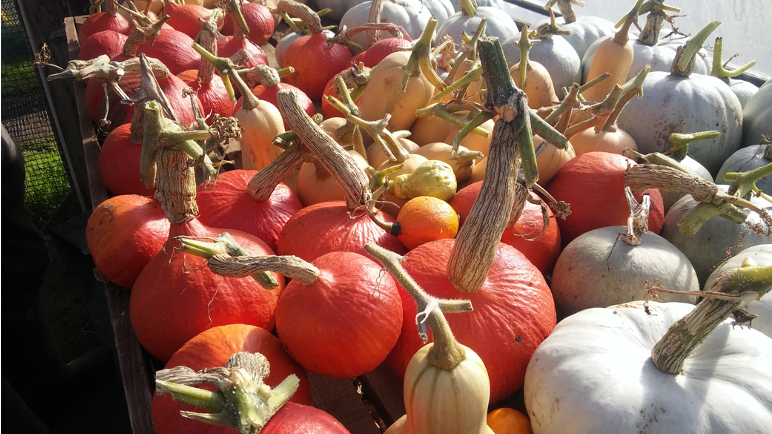
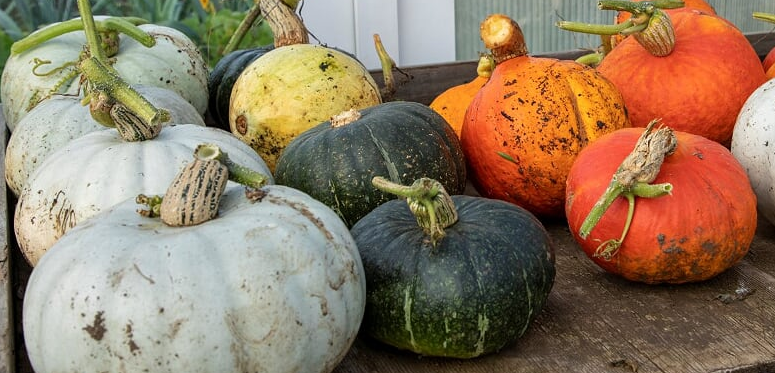
Squashes are popular, versatile crops at Highbridge Community Farm and usually perform well for us. Let’s take a closer look at the four varieties that we grew this year and share some tips on making them last after they’ve been picked.

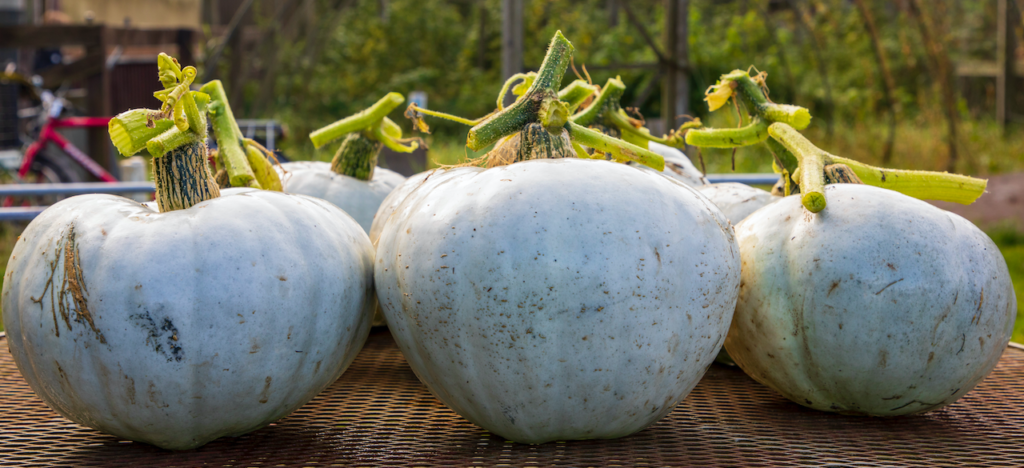
Crown Prince

This a wonderful Antipodean squash with tasty, thick, firm orange flesh, distinctive grey-blue skin, and a savoury depth that is lacking in a butternut. The Crown Price Squash is particularly good for soups, risottos and roasts well. It has hard skin and stores well.

Photo: Penny Velander

Butternut

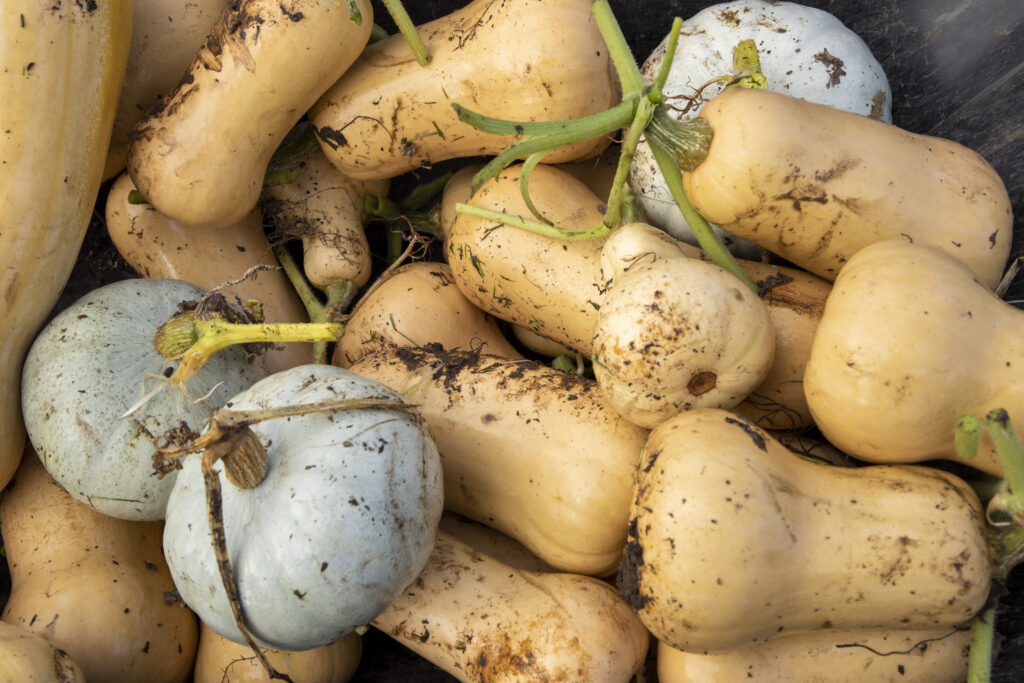
The Butternut Squash has become a firm favourite in the kitchen. The orange flesh stays firm when cooked and the skin is also edible and softens when roasted. It’s a very versatile squash that is good in soups or simply roasted and mashed with a dollop of butter, cream and cinnamon It has softer skin than the tough Crown Prince, but still stores well.

Photo: Highbridge Community Farm (Steve Grundy)

UCHIKI KURI

This Japanese Squash – also known as “Red Onion Squash” – has red/orange pear-shaped fruit with thin but firm flesh that provides a very delicate and mellow flavour similar to the taste of chestnuts. Uchiki kuri squash has deep-orange flesh that passes a rich gold colour to any dish it is added too – especially lovely in risotto. Like butternut, it has softer skin but it does not store as long as the other varieties.

Photo: Highbridge Community Farm (Steve Grundy)

Kabocha

This is another Japanese squash and a first time crop for us this year. It has thick firm flesh, good colour, excellent flavour and, with its dark green hard skin, it stores well. A good all-rounder!

Photo: Highbridge Community Farm (Steve Grundy)

Getting the best from your squash

Grown squash don’t do well sitting around in the cold or damp so, as soon as ours are ready, we harvest the lot at once. Then, we need to keep them carefully to get the most out of them over the coming weeks. Here’s what we advise:

  • Do not carry your squash by the stem. If the stem breaks off, the squash will not store for as long.
  • Place the squash on a sunny window ledge for approximately two weeks to cure it. This hardens the skin and dries out the stem to extend storage time and mellows the flavour by turning the starch to sugar.
  • After you’ve cured it, place the squash in a cool, frost free environment until needed – I put them in a box under the bed in the spare room.
  • Leave for at least a month for the flavour to mature. The longer it is stored, the better the flavour becomes.
  • Check regularly as not all squash will store for a long time. At any sign of rot, use immediately.

Corvus corax makes a comeback

Dave Hubble looks at the raven.

Ravens were once widespread in Hampshire, especially in the New Forest, but by the mid 19th
century were almost extinct in the area, mainly due to persecution by gamekeepers and egg collecting. When gamekeeping activity dropped during the 20th century, ravens started to recolonise parts of the country, but a breeding pair wasn’t recorded in Hampshire until 2003. So, it was good to see, or more often hear, a pair in the riverside treeline by HCF during March and April, the middle of their breeding period. They are the largest of the crow family and can be identified by their shaggy throat-feathers, heavy beak and distinctive ‘kronking’ call. Their size isn’t always easy to gauge until they are seen next to other species such as carrion crows which often mob ravens.

They are opportunistic and omnivorous; they scavenge, hunt and forage – anything from grains and berries to invertebrates, larger prey and carrion. They are excellent problem-solvers and their seemingly high intelligence is an area of active research. In the US, they have even been recorded leading wolves and coyotes to large carcasses so they can be opened (ravens’ beaks aren’t strong enough to tear through large mammal hides); the ravens can then also feed on the remains. Their intelligence has been known, if not understood, for many centuries. In Norse mythology, Huginn (thought) and Muninn (memory or mind) are a pair of ravens that fly off to bring Odin information. In the Tlingit and Haida cultures of the Pacific Northwest, and on Kamchatka, ravens are both creator gods and tricksters. Closer to home, it is said that “if the Tower of London ravens are lost or fly away, the Crown will fall and Britain with it”. This is often thought to be an ancient superstition, but is likely to be a Victorian invention – even the current Ravenmaster thinks so (and yes, that’s a real job).

At HCF, we are lucky to host a raven territory, so they may have raised young – something to
celebrate. In any case, ravens are bright, playful, evocative… and back. The raven pictured is in flight at the farm.

If you enjoyed this, read more from Dave Hubble:

Wasps – what are they good for?

…rather a lot as it happens. Wasps get a bad press but are actually an interesting, beneficial and ecologically important group of insects.

This article from Dave Hubble is a great look at these unsung heroes and cultural references to them. You’ll never look at a wasp in the same way again!

Wasps get a bad press because they can sting, buzz around us when we have sugary food, and are poorly understood, but are actually an interesting, beneficial and ecologically important group of insects. There are about ten species of ‘typical’ wasps, including the hornet, in Britain, but depending on how ‘wasp’ is defined, there are something like 250 – 300 species, not including the 1,000-plus species of parasitic ichneumons which are related but aren’t really ‘wasps’. A few dozen of these are black-and-yellow to some extent, but most are not, and many are small. The more familiar species are social, much like honey bees, living in a nest with an egg-laying queen and sterile workers – sometimes you might see them scraping at wood to form pulp which they use to make the paper of their nest. Others are very different such as the bright metallic green, blue or red ‘jewel wasps’ which are tiny and beautiful – and may well be found in your garden. Others, like the potters and masons, make small mud turrets over the entrance to their burrows, or small mud ‘pots’ as nests.

However, although they can damage fruit crops, this is massively outweighed by their benefits as
important (if under-appreciated) pollinators as they collect nectar (hence being attracted by our
food and drink), and predators and parasites of more troublesome invertebrates, including a lot of larvae and flies that are considered crop pests. They are also food for a lot of other animals including many bird species.

There are many cultural references to wasps, from Aristophanes’ 422 BC play The Wasps, (referring to a chorus of old men), to science-fiction (H.G. Wells wrote about giant wasps), animation (Chip and Muffin in Antz), sport (Wasps rugby union team), wasps-waists produced by terrifying levels of corsetry, and the term ‘waspish’ meaning ‘easily angered’… talking of which, let’s finish with stings.

As we know, the familiar species can sting, but only do so if threatened. Most commonly this means approaching a nest too closely or swatting at them; this happens most in late summer as colonies stop producing new workers and the existing ones search for sugary foods (which we have with us in the sunny outdoors). It hurts, but unless you have a serious allergy to them, which is quite rare, isn’t harmful. Unlike honey bees, they can sting repeatedly, but venom takes a lot of energy to produce so they don’t use it unless necessary. Hornets in particular are quite docile despite their large size; ironically, wasps aren’t particularly waspish. So, if a wasp crawls on you or is flying around you, don’t swat at it. If you are near a nest and they appear aggressive, simply move away – if there’s a nest somewhere you can’t avoid, call a specialist to remove it. Other than that, watch them, enjoy them, and see how many species you can spot.

If you enjoyed this, read more from Dave Hubble: