Is it an eater or a cooker? (And can I have some of the red apples, please?)

We are now entering the peak season for top fruit, and for the next two months, we’ll be harvesting loads of delicious apples and pears in dozens of varieties. As we lay out the trays, the most common question we get is, “Are they eaters or cookers?” Traditionally, people think of apples as either sweet, crisp, and juicy for eating or fluffy and somewhat bitter for baking.

But are we trapped into thinking inside the box?

Thanks to our orchards, you can explore beyond this Victorian reduction of apples into just two categories. Many of our cultivars serve both purposes, and in my opinion, an apple bake greatly benefits from a mix of many flavours.

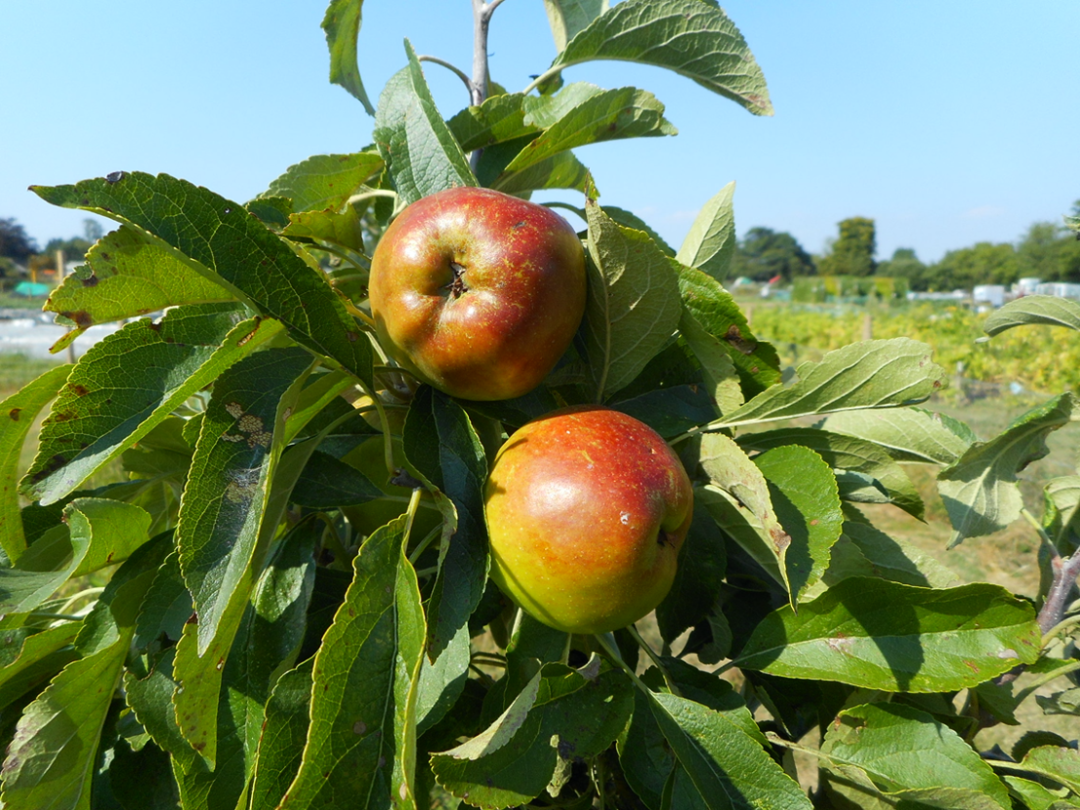
Even more surprising is our persistent craving for any apple to be big and red. They are the first to go, and sometimes the only tray to go, on any market display while superior apples that don’t conform to this stereotype go untried. This expectation of our harvest to resemble highstreet market apples stops you from exploring and enjoying one of the biggest perks of our orchards: the sheer variety of cultivars and types at your fingertips. 

While I get the crunchy sweetness of a red Braeburn, my personal favourites are our russet apples for their nutty flavours and rugged texture. St Edmunds Pippins, Egremont Russet, or Cornish Gillyflower have the most amazing and complex tastes of the season. Others delight in the punch of the small Pitmanston Pineapples, the Pixies, or the lemony hints of the heritage Bardsey Island. The list is long!

So why not embrace the treat and privilege of having all these types to explore? 

Pick and mix your weekly share of apples from all that is on offer. The price of a mixed bag is the same per weight, but it’s so much more rewarding.
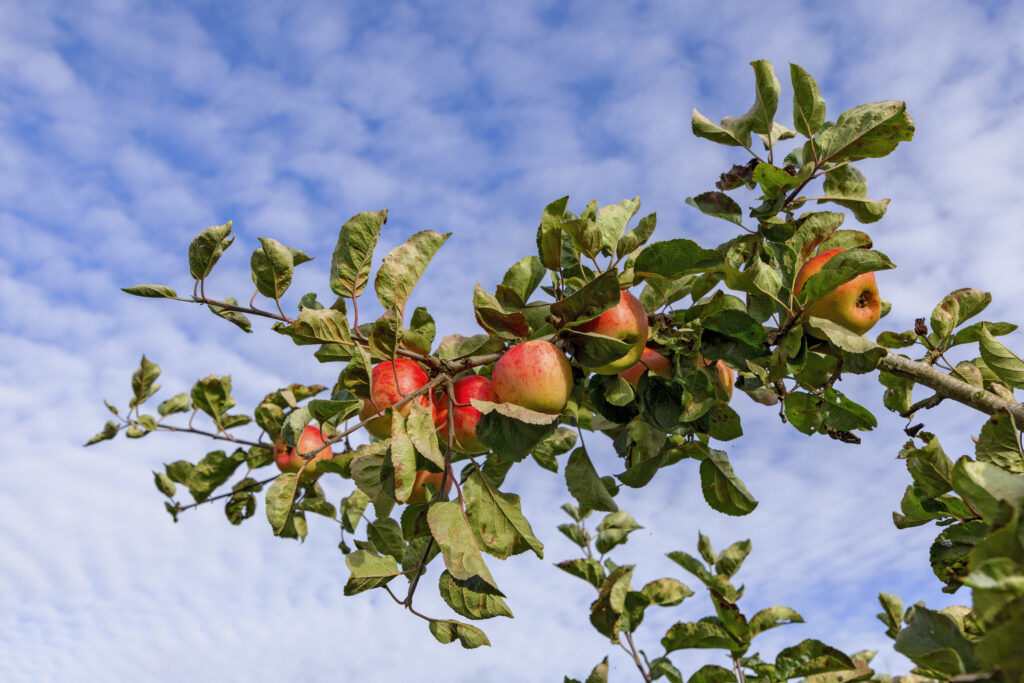
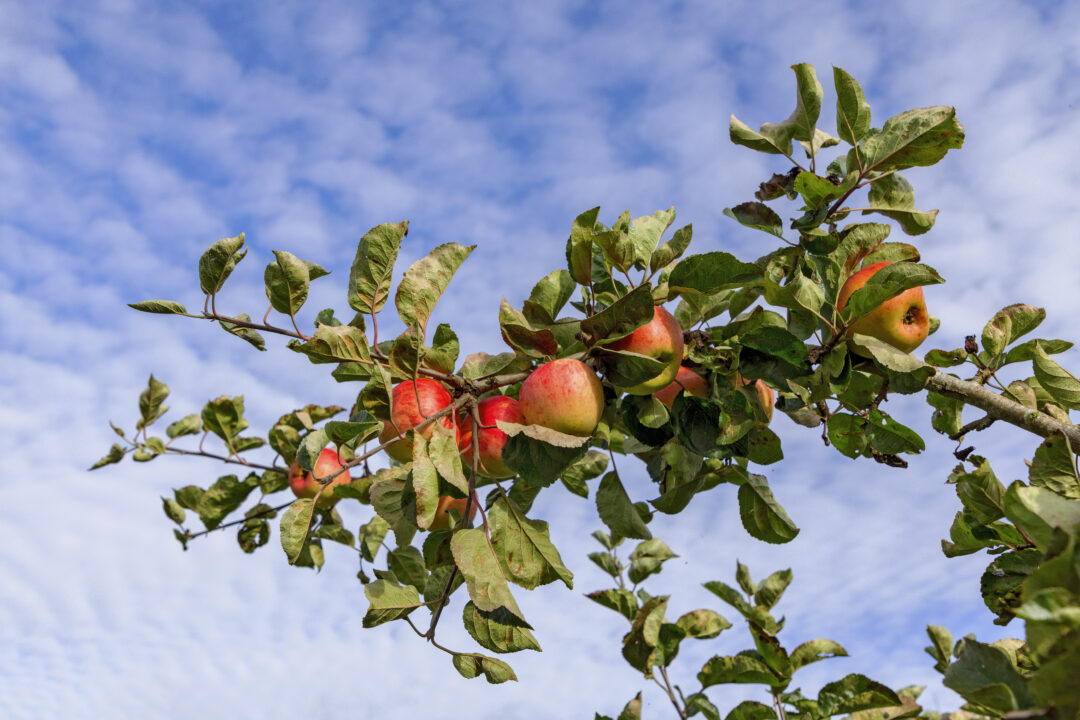
Photo: HCF apples (Steve Grundy)

Last chance for summer pruning

For all the backyard growers who have a fruit tree in a pot or a border, with the autumn solstice a few days away and frosts on the horizon, these are the last weeks to complete your summer pruning.  Alex, HCF Orchard Team Leader, shares his tips.

Why now?

Summer pruning is best done after Summer has peaked in late July and dormancy starts to kick in. Once the tree has detected that the days are getting shorter and it gets an ever-smaller return investing in new leaves, it will switch from producing green to enlarging its fruit. It’s at this moment that, if you prune back any branch, there will be little attempt to regrow. If you want to check the size of the tree, you have to prune it in summer, never at winter. 

Other side effects of pruning at summer is letting the sun in, ripening the fruit. The sun, coupled with the hormone change in the branches, will also accelerate the formation of fruit buds for the next season, and mature and thicken the remaining branch.

Use sharp, clean tools

When pruning, always use a sharp pair of secateurs that won’t tear or crush the wood but will make neat cuts. If the wood is too thick for secateurs, use a different tool like a saw.  Make sure that you clean them well to avoid diseases entering the trees core: a domestic tabletop disinfectant spray will work to wipe down the blades. If your tree has grown tall, or has some areas difficult to reach, consider buying yourself some pole pruners. They do a quick and efficient job.

Work in stages

First, check the tree for any broken, damaged, dead, or diseased branches and thin them out or cut them back first. Then thin out any branches that are growing inwards to the tree, or simply look out of place, sagging badly or crossing any other main branch. You can thin them down to one or two leaves.

On the remaining branches, look for this year’s growth: it will look distinctively shinier, with a glossier finish on the wood and more flexible than last year’s growth, which will look darker and feel stiff. Find the node where the new growth has started from. If the new growth is longer than a palm’s length (20cm+), then count three leaves up from the base of the growth. Cut the branch here or in the closest leaf that points outwards of the tree, be it the second or the fourth leaf. This is called the “Lorette method”.

Think in terms of negative space too, considering the void that you want to leave in the centre of the tree and between main branches.

If there is a branch loaded with fruit that is not quite ripe yet to harvest, you can prune the tree in two goes. Do some now and another go after you’ve taken that fruit off the tree.

Summer pruning is more dramatic than winter pruning because of all the canopy you drop but try not to shave off more than 25% of a tree in one go. Don’t cover the wounds from your cuts because they will heal worse and risk trapping any disease inside.

Don’t hesitate now

Whichever type of apple tree you grow, regular pruning is important if you want it to stay healthy and produce lots of fruit. Your last date for summer pruning is at least two weeks before the first winter frost to allow the tree to heal itself. Sharp weather will soon be upon us so, if you have fruit trees, don’t wait to get that summer pruning done.

Let us know if you have any questions about summer pruning.

Uses of rosehips

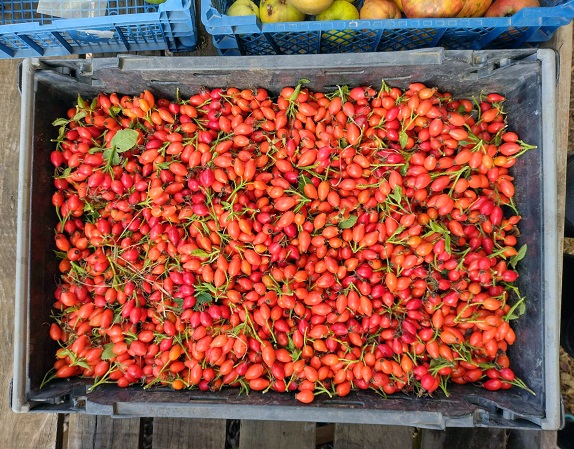
Photo: Highbridge Community Farm

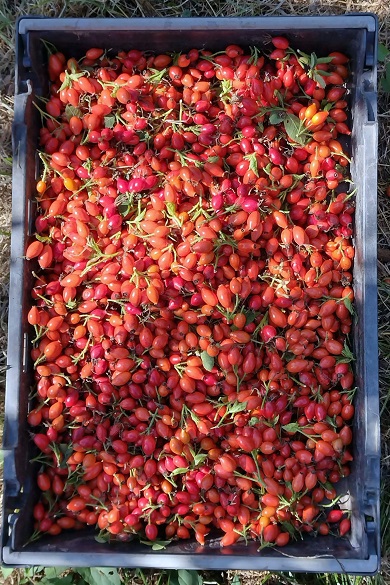
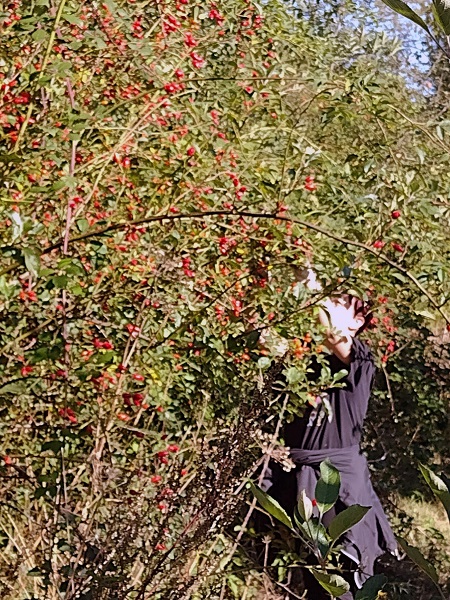
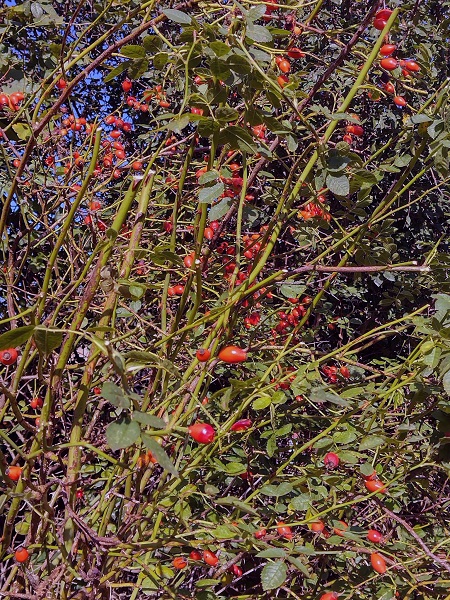
Today at the farm Robbie lead the Fruit Team to harvest a big tray of rosehips-with more to come-. They were harvested from our foraging hedges around the Pond Orchard.

Robbie has lectured us on all the fantastic properties and things you can do with rosehips, and forwarded us a few recipes that we have linked here. In her own words “Rosehips are bursting with vitamin C, vitamin A & E. Superb antioxidant… Uses ..rosehip syrup, rose hip tea, rose hip jelly (great with cold meats) as well as rosehip oil. Rosehip oil is excellent for helping to heal all skin conditions, also reduces & improves scar tissue, stretch marks & wrinkles ! Recipes to follow… Happy Foraging folks !”

At 20p a punnet, why not try one and spend an afternoon preparing your own skin cream, or some special jelly? If you need further tips on how to do any of the following recipes, you can ask Robbie Beer, fruit tree team, often at the farm and especially a wednesday and a saturday morning.

Rosehip Syrup: https://www.rivercottage.net/recipes/rosehip-syrup

Wild Rosehip tea: https://www.earthfoodandfire.com/wild-rose-hip-tea

Rosehip Jelly: https://www.simplyrecipes.com/recipes/rose_hip_jelly/

Rosehip skin oil: https://simplybeyondherbs.com/how-to-make-rosehip-oil-to-heal-your-skin/