We keep our Farm prices low – but there’s loads out there that costs nothing. Elderberries, rosehips, and blackberries are abundant right now and can be turned into delicious food and health-boosting syrups.
Find them in hedgerows near you or raid our own foraging hedge. All of them can be frozen so seize the season, pick them now, and you’ll be able to use them for months to come.
Rose hips
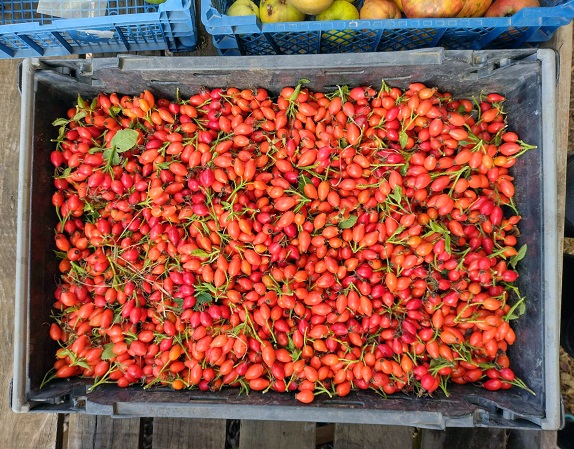
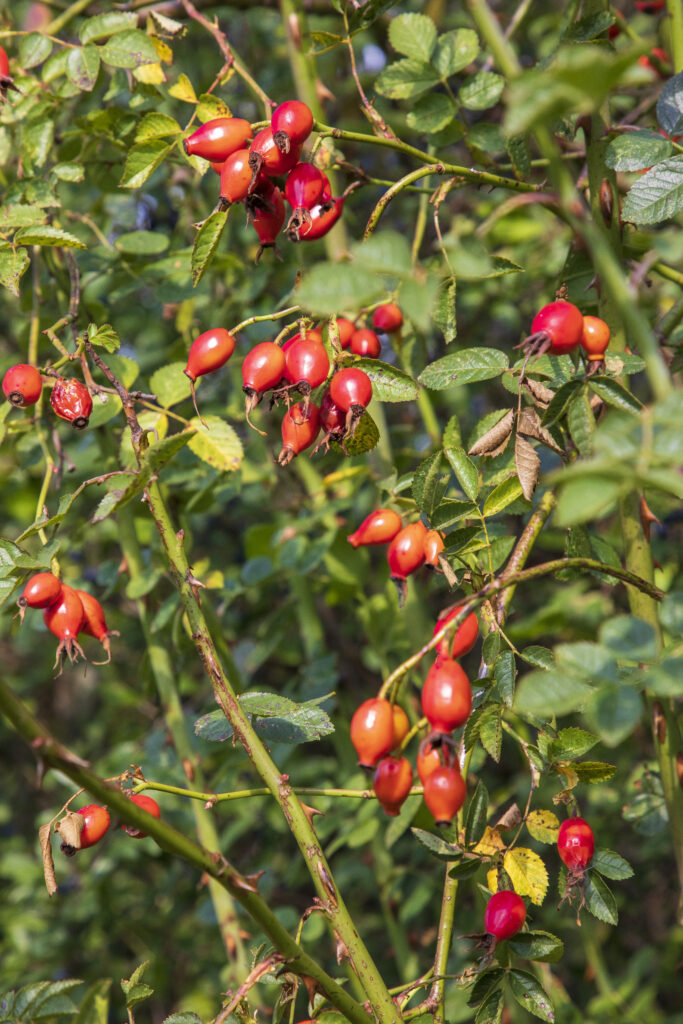
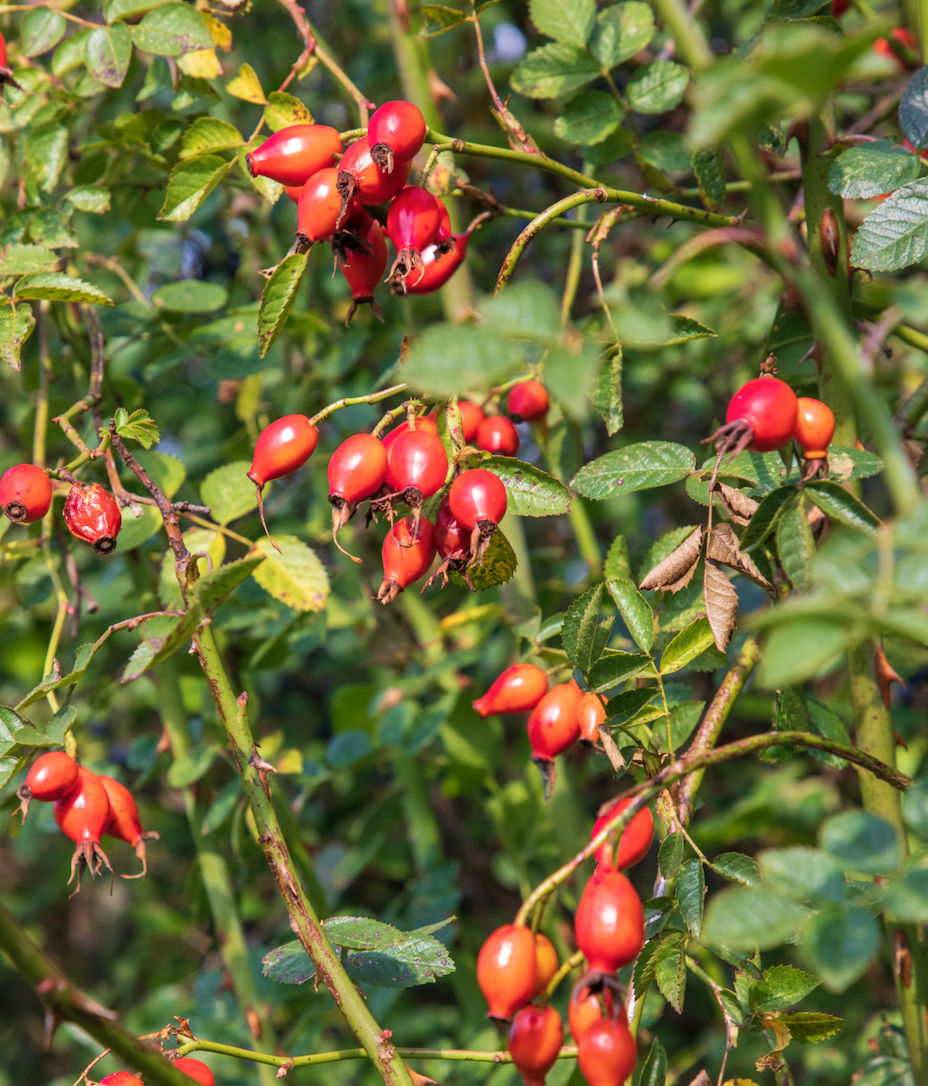
Rose hips are the fruit of the rose plant, rich in antioxidants and vitamin C. Weight for weight, they have more than 20 times the vitamin C of oranges. People have used them as drinks and natural health supplements for centuries.
Rose hips are edible but they contain both rose seeds and tiny hairs – and these hairs irritate our mouths and intestines. As a result, rose hips are normally strained for their juice only.
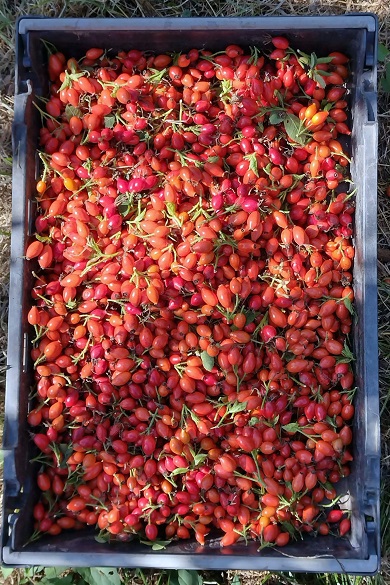
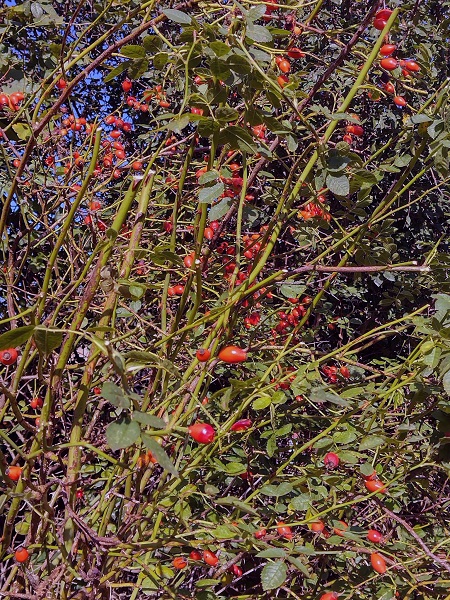
Pick them when they are completely red, with no visible green. Leave any shrivelled or mushy rose hips on the plant. They won’t be good for our purposes but the birds will still enjoy them. If there’s a light frost, so much the better. It will help to sweeten the rose hips.
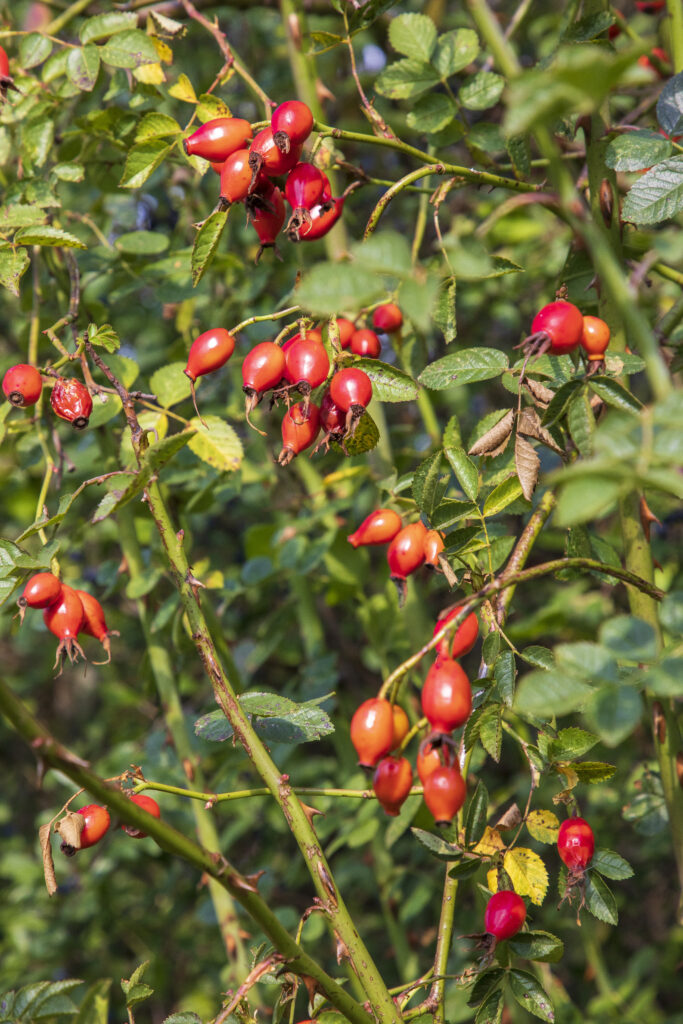
Rose hips make palinka, the traditional Hungarian fruit brandy. The best known use is traditional rose hip syrup. Find Kate’s recipe here. You can take a spoonful to boost your vitamin levels (as recommended for a generation of war children by the Ministry of Food) but it’s also delicious drizzled on cake or ice cream or in a rosehip cocktail, such as this Gimlet from the Isle of Wight Distillery. If drinking it isn’t your thing, make yourself a skin-nourishing rosehip oil.
Elderberries
Elderberries are one of the most commonly used medicinal plants in the world, packed with antioxidants. They are poisonous raw so must be cooked or treated to become useable.
Pick the black berries when they are fully ripe, with no or few green berries in the clusters. You need to be quick when you see them. The birds love them and the berries swiftly turn from ripe to overripe. The easiest way to remove the berries from the stalks is to strip them off by using the prongs of a fork. If you can’t use them straight away, you can freeze them and use them later.
Find Kate’s recipe for medicinal elderberry rob (rob is an old word for cordial) here. It’s soothing hot and you can take it neat, diluted with water, or with a tot of something stronger.
Blackberries
This year is giving a bumper blackberry crop: bushes loaded with supersized berries. These purple berries are packed with vitamins, minerals and protective plant compounds called anthocyanins.
Blackberries are the fruit of the bramble. (Bramble specialists are called “batologists”. You’ll thank me for that when you win your next pub quiz!) Each berry is made up of 20-50 single seeds known as drupelets. Technically, they are an ‘aggregate fruit’ rather than a berry.
Pick them when they are fully purple, avoiding any that are squishy, dull in colour or have any evidence of mould. You can eat them raw as well as cooked and they freeze well.
Blackberries are just as versatile as the berries that we buy, such as raspberries, blueberries, and strawberries. Eat them raw with yogurt or cream, in salad, or paired with desserts. Blend them into smoothies or make blackberry cocktails. Bake them into pies and cakes or steep them into oils, vinegar, or alcohol. Blackberries have a high pectin content which makes them ideal for jams and jellies too… So many uses for something that costs nothing.
Find our recipes for blackberry loaf cake and blackberry vinegar. Switch out the pineapple from a traditional pineapple upside down cake for blackberries – delicious!
Our foraging hedge
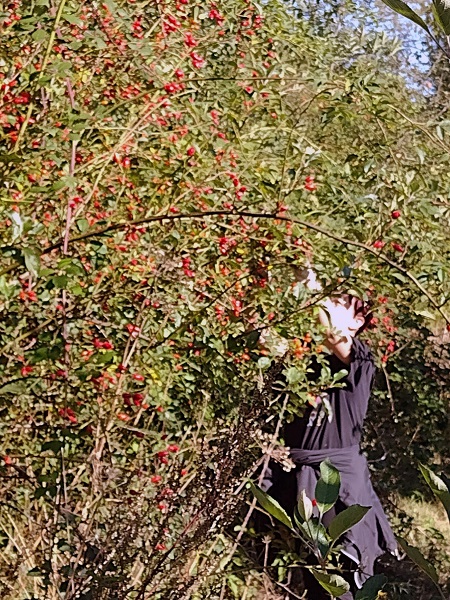
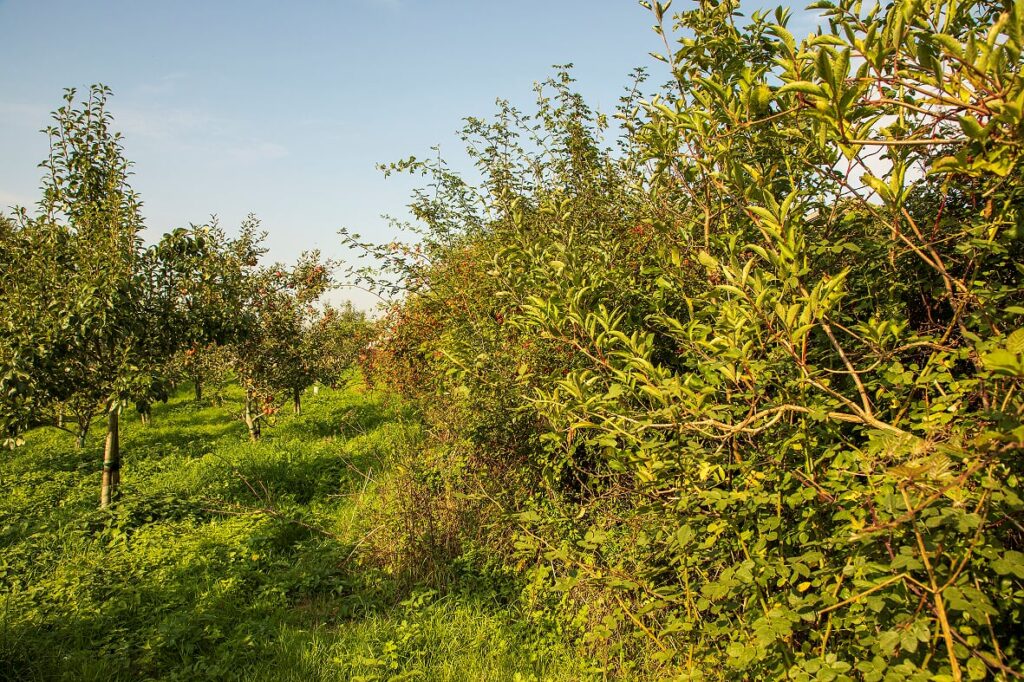
If you haven’t explored it yet, head over to the pond and browse our own foraging hedge. In 2010, the Woodland Trust gave our project several hundred hedgerow trees. We planted these, along with wild flowers and apple trees. We now have a source of berries, sloes, crab apple, hazel nuts and rosehips.
If you’ve got any favourite uses for foraged blackberries, elderberries, or rosehips, please let us know.